

In Hegelian philosophy, negation is not just rejection, but a creative and transformative movement through which truth gradually reveals itself. Hegel begins with what he calls abstract negation, a negation without reference, without any relationship to the other. In this stage, pure Being is totally indeterminate—so empty that it is indistinguishable from Nothingness. In Science of Logic, Hegel explains that when Being is stripped of all content, it collapses into pure Nothing, and this is the moment where thought becomes aware that pure affirmation, without differentiation, is actually a form of negation.
From this abstract state, negation becomes substantially meaningful and active through determinate negation, where difference, limitation, and otherness appear—not as errors, but as necessary stages in the growth of self-understanding. It is here that Hegel introduces the profound ideas of desire and recognition (discussed in Phenomenology of Spirit), where consciousness becomes aware that it seeks not just affirmation, but a reflection of itself in the other. Desire is not merely longing, but a philosophical movement—an urge to see oneself through another. However, this cannot happen without negation, without encountering estrangement.
Finally, in absolute negation, separation is itself negated—not by cancelling otherness, but by realising that the other was never truly separate. Unity returns, but now in a richer form, having passed through difference, desire, estrangement, and recognition. It is here that negation reveals itself not as destruction, but as the hidden path toward deeper unity.
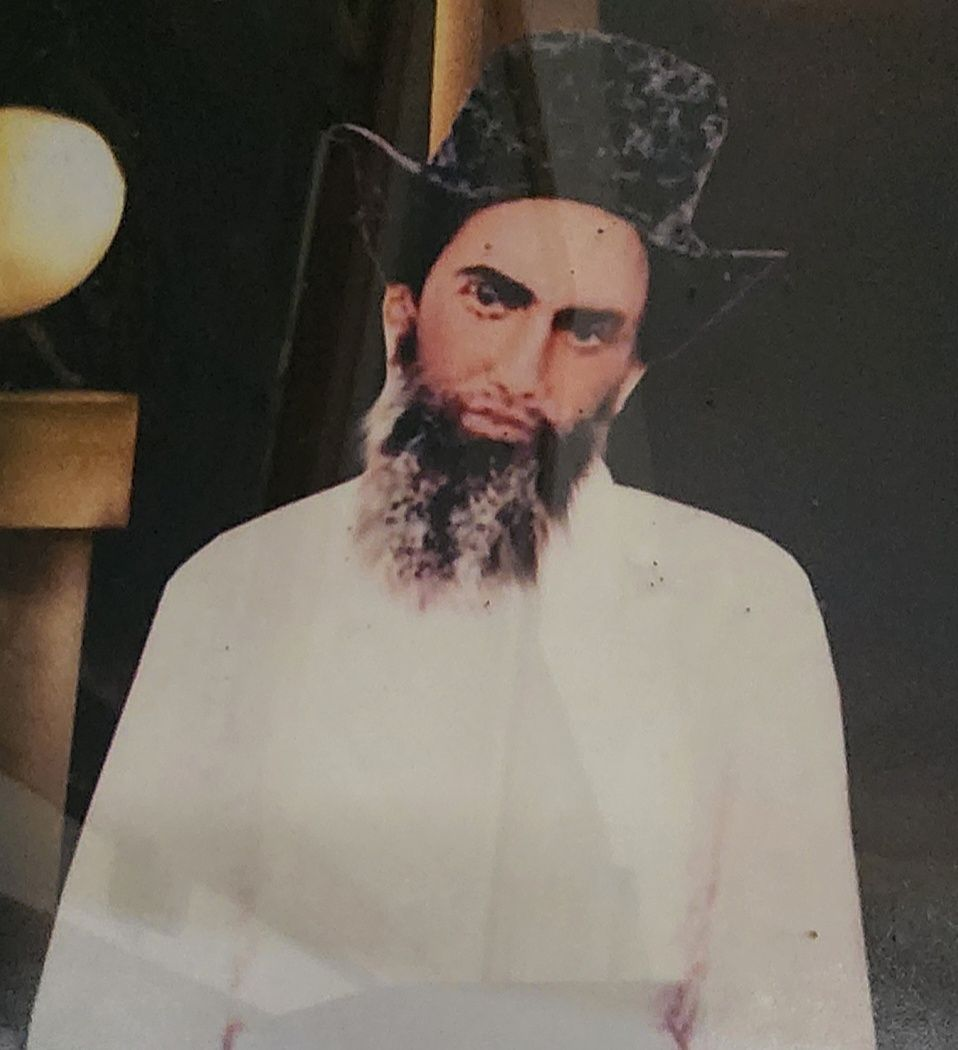
Although Khawaja Ghulam Farid does not express himself in Hegelian philosophical language, his poetic movement—from originary unity, through negation of otherness, through the pain of separation, to a transformed unity—seems to resonate deeply with Hegel’s dialectical logic.
The following is the interpretation of certain selected verses from Kafi No. 80 of Diwan-e-Farid.
وحدت ذاتی سبھ دا ۔۔۔ ہے آغاز انجام
Wahdat-e-Zāti sabh da, hai āghāz anjām
“Unity of Being is the beginning and end of all things.”
This opening line speaks of a unity that is inherently self-contained (ذاتی), without any differentiation or relation. It is a unity that has not yet encountered the other. In Hegelian terms, this corresponds to abstract negation—pure Being, which is so empty and abstract that it becomes indistinguishable from Nothingness. It is affirmation without content.
تکھڑی تیغ نفی دی ۔۔۔ کیتا غیر قتلام
Tikhṛi tegh nafī di, keeta ghair qatlām
“With the sharp sword of negation, the ‘Other’ is annihilated.”
Here begins the active phase of negation. Otherness (ghair) is not merely denied but confronted. The sword represents determinate negation, where negation becomes meaningful and transformative. Hegel says that truth does not appear when we merely deny, but when we negate in such a way that something new is born. This is the beginning of real movement and self-understanding.
کر توبہ اغیاروں ۔۔۔۔ پُٹھڑے برہوں پیغام
Turn back from estrangement; it is the message that arises from the pain of separation in love.
This line beautifully brings the emotional and relational dimension into the play of negation. The poet is not merely asking for moral repentance, but calling for a return from estrangement. Hegel would call this the stage of absolute negation, where negation turns upon itself, and separation is shown to be only a temporary form. The pain of separation (barhoṅ) is not meaningless—it is the very message that reveals that desire for the other is, in truth, a desire for self-recognition. In this realisation, estrangement begins to dissolve.
تُرت فرید فریدوں ۔۔۔ تھی آزاد تمام
Turt Farīd Farīdun, thi āzād tamām
“Instantly, Farid becomes Faridon and acquires total liberation .”
This final verse represents the return to unity, but not the original abstract unity. It is a unity that has passed through negation, otherness, and recognition. Farid becomes “Faridon”—suggesting the one manifesting through the many, yet remaining one. In Hegelian thought, this is where unity is fulfilled, not before difference, but after travelling through it. It is unity enriched by multiplicity. It is freedom.
Khawaja Farid’s verses, though written in poetic and devotional language, seem to embody the same movement that Hegel recognises in thought itself: from abstract unity, to confrontation with the other, to the experience of estrangement and desire, and finally to a unity that returns not by cancelling difference, but by simultaneously preserving and transcending it. These verses, therefore, can be meaningfully interpreted through the Hegelian logic of negation, other, negation of negation and sublation.