

At a retreat some weeks ago, I heard a phrase for the first time. The rest challenge. It was a voluntary exercise. Anyone who wished could lie on the floor for half an hour, in whatever position felt restful, and do nothing. The idea was kind, and I reflected on the phrase for days afterwards. Why should rest need to be a challenge? A challenge is something you take on and get through. Rest, put that way, had become one more thing to accomplish.
Before the factory, work followed the task and the season. You worked until the field was cut or the pot was fired, and then you stopped, because there was nothing more to do. E. P. Thompson described how industrial capitalism changed this. The clock replaced the task. Time became something an employer bought by the hour, so that a body’s hours were no longer its own but part of someone else’s property. Marx looked at the same change from the worker’s side. What is sold is not a product but labour power, the capacity of a living body to work, and once that capacity has been bought the buyer naturally wants every hour of it.
The pressure did not stay in the factory. Byung-Chul Han calls ours the burnout society. Where the old power told us what we must do, the new power tells us what we can do. Intriguingly, there is no end to what we can do. The exhausted person today has apparently no boss to blame. He drives himself harder and calls it ambition. A system like this no longer needs to forbid rest. It only needs to turn rest into an achievement. We will then pursue it with the same grim effort we bring to the rest of our lives, and feel guilty when we do it badly.
The body runs on a budget: oxygen, sleep, food, some safety, and the company of people who do not want anything from us. When the budget goes into deficit the body does not explain itself. It produces fatigue, irritation, a heaviness in the morning that does not lift by noon. We take these for emotions and look for their causes in the mind, in our attitudes, in our childhoods. Most of the time the body is simply reporting its accounts.
Tricia Hersey, a Black American theologian, founded the Nap Ministry in 2016 and later wrote a book called Rest Is Resistance. Grind culture, she argues, was built on plantations where Black bodies were counted as machines, and refined in factories that measured a life in output. Exhaustion in this context is something we inherited rather than something we did wrong. To rest is to take back a body the system never intended you to own. Hersey has no patience with the wellness version of rest. Rest, she says, does not need to justify itself to anyone.
There is a difference, though, between rest that is chosen and rest that is forced on a body by breakdown, and the second falls on those who could least afford to stop. The right to rest is unequally shared, and while it stays a private virtue it will stay unequal. It has to be built into how work is organised, which is a much harder and slower thing than a challenge.
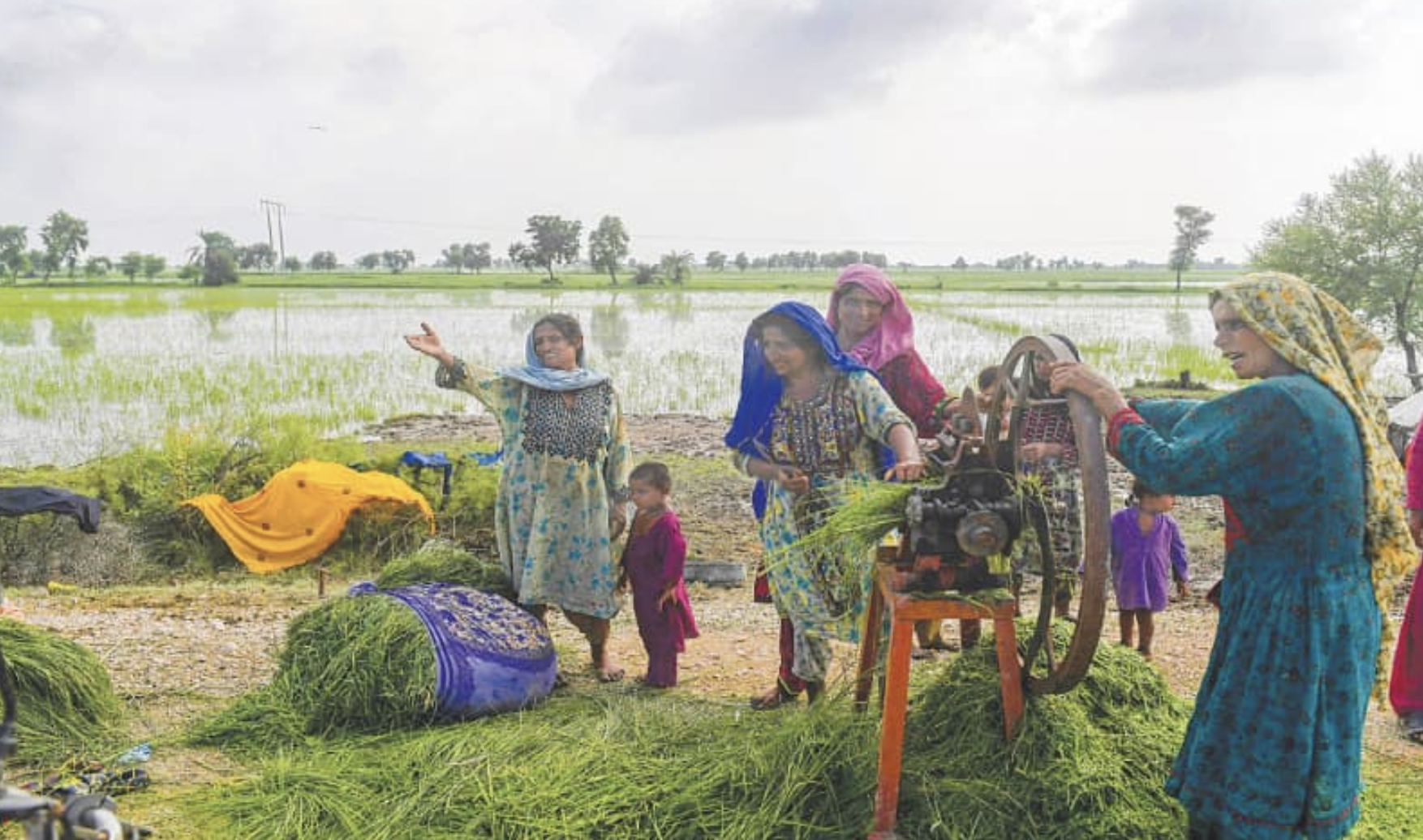
Among my Siraiki friends there is an old joke. “Kam jawan di maut hai”. Work is the death of a young man. It says out loud what the work ethic forbids anyone to think, and it says it jokingly. The joke has a silence in it, since someone was always doing the work while the young man survived. In our world, it was usually a woman or a tenant. Still, nobody needs a retreat to tell it. It belongs to the dhaba, where a few friends sit over tea with nothing pressing to do, and the talk goes where it likes. That is the whole arrangement, and it has never called itself a challenge.
Leave a Reply